In this blog, Ostenta Decor breaks down why this one tiny detail decides whether your window lasts 5 years or 20. Choosing jointless aluminium windows can make all the difference in durability and performance.
When people buy a window, they check the glass, the colour, the lock — and stop there. Almost nobody checks the corner. That’s exactly the mistake, because when a window does start to fail, it’s almost always the corner that gives way first. Most homeowners don’t find out until the damage is already done. Checking for jointless aluminium windows is the one step that determines whether it lasts.
What’s Actually Inside a Normal Window Corner vs Jointless corner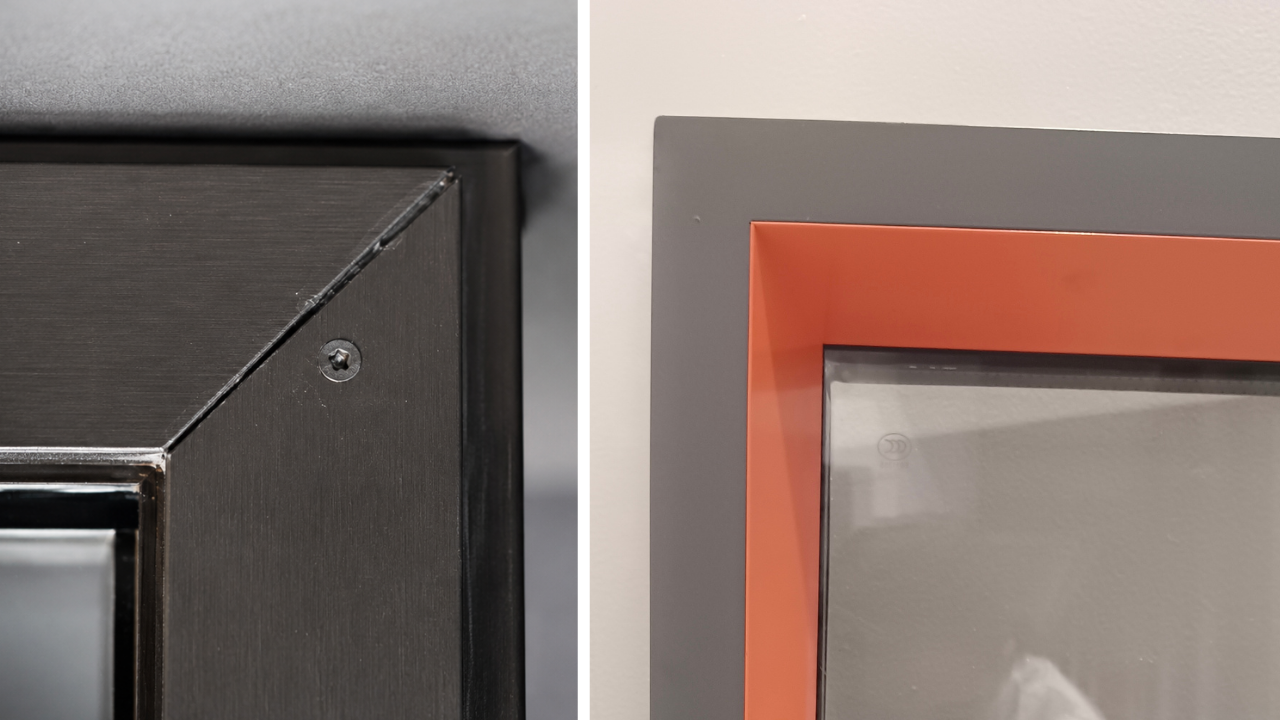
It works fine in the beginning. But sealant has a shelf life. After a few years of heat and monsoon rain, it dries out and starts cracking. That’s the moment water finds its way in through the same gap it was supposed to seal. Notably, this sort of problem doesn’t happen with jointless aluminium windows.
This is why leaking corners and rattling frames are such common complaints with older windows — and usually nobody notices until the wall behind it has already started taking damage. Interestingly, jointless aluminium windows are built to avoid these issues from the start.
Why Jointless Construction Skips This Problem Entirely
Most people don’t realise that leaking and rattling aren’t really window problems at all — they’re joint problems. Take the joint out, and most of the issue goes with it. With jointless aluminium windows, these problems rarely arise. That’s the whole idea behind jointless construction. Instead of cutting two pieces and screwing them at an angle, the corner is built to behave like one continuous piece of metal. Nothing is cut, screwed, or sealed underneath — a distinct advantage of jointless aluminium windows. Building a corner this way needs specialised machinery, which is exactly why most fabricators skip it and stick to the cheaper cut-and-screw method. When you opt for jointless aluminium windows, you benefit from this specialised approach as standard.
Ostenta Decor builds every window this way — not as a premium upgrade you have to ask for separately. Choosing jointless aluminium windows becomes the default, not the exception. So next time you’re comparing quotes, try asking, “Is the corner jointless?” It’s a small question most sellers won’t expect, and the way they answer it tells you a lot about what you’re actually buying. Don’t hesitate to ask — it’s how you confirm you’re getting true, lasting value from jointless aluminium windows.
The Real Difference It Makes
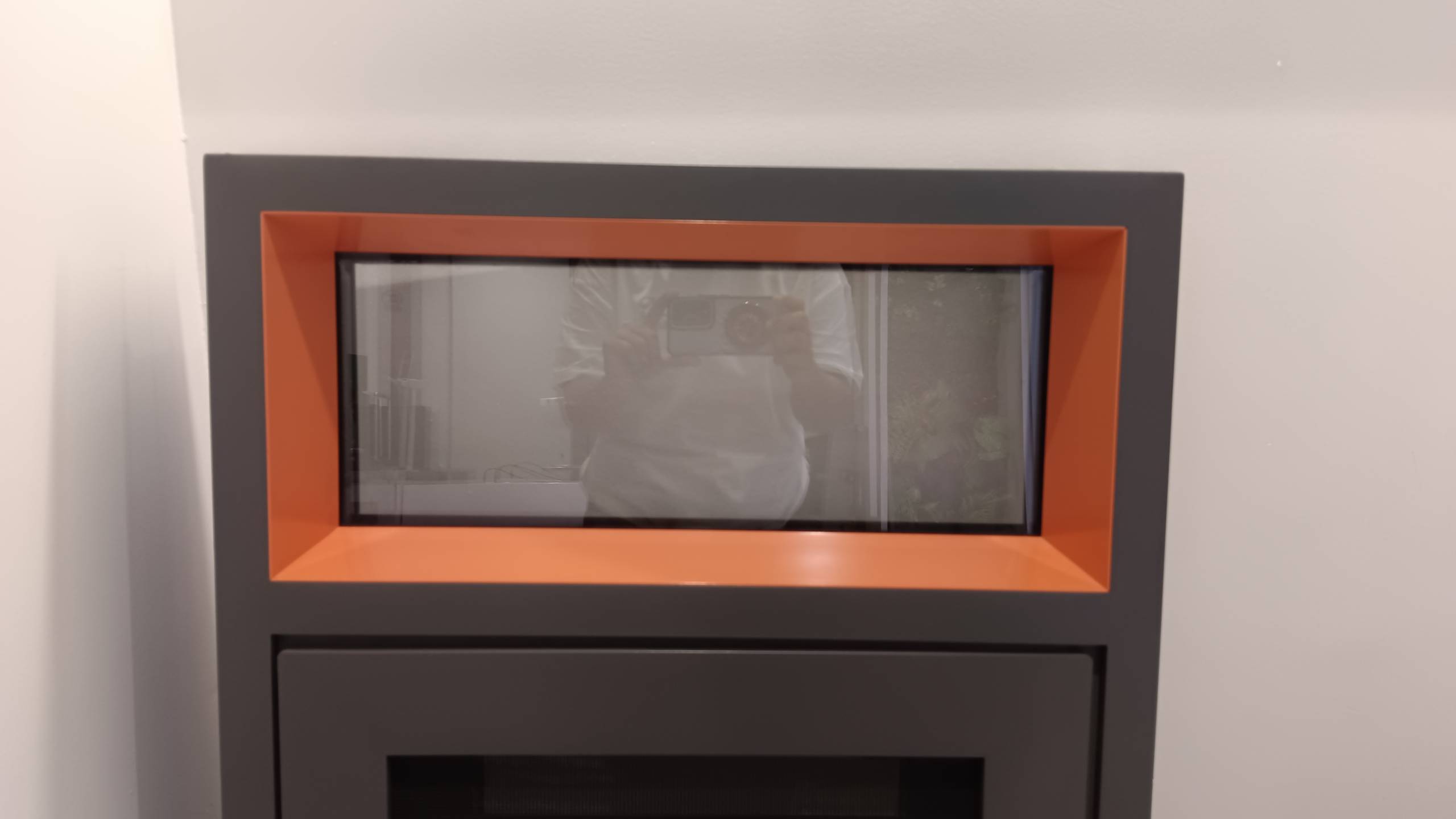
No joint means no gap for water to get through — that part is straightforward. The corner also ends up stronger overall, since it behaves like one solid piece instead of two parts held together by a screw and some glue. Ultimately, the advantage of jointless aluminium windows is clear in these scenarios. What this adds up to is a window that stays leak-free and rattle-free for years longer.
No patchy ceiling stains, no calling the fabricator back every monsoon, no slow damage building up quietly around the frame until it suddenly becomes an expensive repair. This is what you can expect from jointless aluminium windows throughout their lifespan.
This is the one idea Ostenta Decor designs around first. Everything else — colour, design, hardware — gets decided after the corner is already solid. For genuine peace of mind and durability, jointless aluminium windows set the standard.
A 10-Second Test You Can Do Right Now
Next time you’re at a window showroom, run your finger over the corner. There’s no substitute for hands-on proof, especially when evaluating jointless aluminium windows versus conventional models.
if it is Smooth, with no visible line or screw underneath? That’s jointless. This quality is one of the key identifiers of proper jointless aluminium windows in the market.
A clear angled line, or a screw you can feel? That’s a normal joint.
Ten seconds, and it tells you more about how the window is actually built than any brochure, salesperson, or price tag will. On an Ostenta Decor window, this is exactly what you’ll feel — one smooth corner, with nothing hidden underneath. For this reason, jointless aluminium windows are increasingly popular with homeowners prioritizing durability.
FAQs
Does a Jointless Window Cost More?
A little, yes — and here’s the honest reason why. Making a jointless corner needs different machinery and a slower, more careful process than the standard cut-and-screw method. Therefore, the upfront cost is a bit higher. When you invest in jointless aluminium windows, you’re also investing in added reliability and less maintenance.
But here’s how to think about it: a normal window’s joint usually starts needing resealing or repair within 8–10 years. By the time you add up those repair costs, plus any wall damage if a leak goes unnoticed for a while, it often ends up costing more than the small extra you’d have paid upfront for a jointless window from a brand like Ostenta Decor. Over time, jointless aluminium windows save you headaches and money.
Can an Old Window Be Converted to Jointless?
Not really. The jointless corner is created while the frame profile itself is being manufactured, so it’s not something that can be added onto an existing window later, no matter how skilled the fabricator is. This is a key distinction of jointless aluminium windows in terms of manufacturing process. If your current windows are already leaking or rattling at the corners, replacing them with a jointless design usually makes more sense long-term than resealing the same joints again and again. The switch to jointless aluminium windows brings peace of mind for years to come.
Final Thoughts.
Next time you’re buying windows, take ten seconds and check the corner. It’s a small habit, but it’s exactly the kind of detail that separates a window that lasts 20 years from one that doesn’t. Always compare options and you’ll notice the difference jointless aluminium windows bring to your home’s longevity.