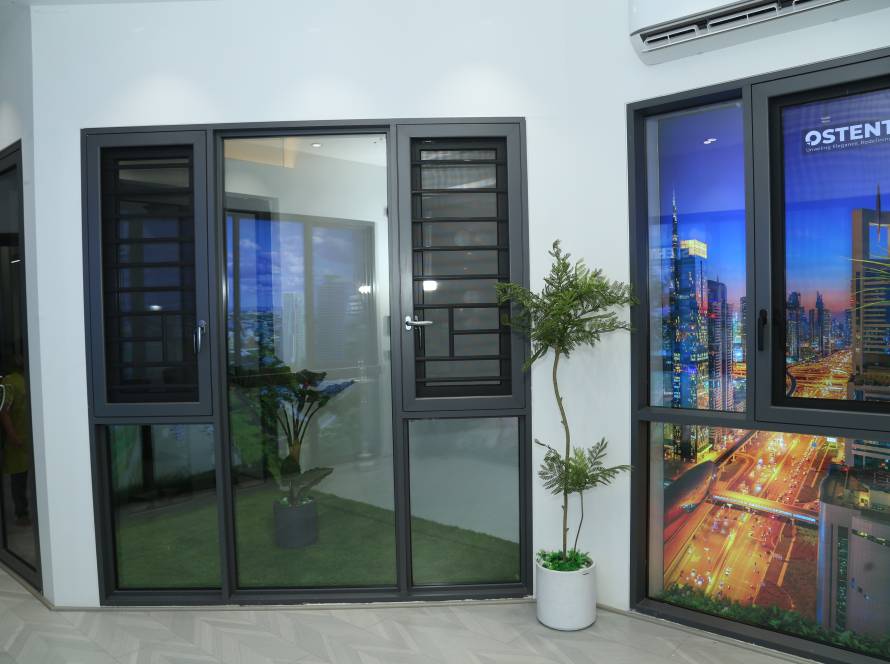
You know the First Heavy rain?
The one that shows you everything you never noticed about your windows. If you’re considering adding storm-proof protection to your windows for your home, there’s a lot to learn about their benefits. In addition, you should learn about their features. Water collecting near the frame. A small whistling sound when the wind blows. A window that suddenly needs a hard push to close—all remind us why choosing windows built to handle a storm can make a difference. None of this happened suddenly — it was always there. However, the rain just made it easy to notice.
Here’s the truth: a cheap window and a good window can look almost the same in a shop. Same colour, same look, sometimes even the same shape. The real difference shows up only once — during the first heavy storm.
Why Good-Looking Windows Still Fail in a Storm
It’s easy to blame the aluminium when a window leaks or shakes. But aluminium is a very strong, weather-resistant material — it is rarely the real problem. In fact, investing in storm-proof windows means paying attention to the seal and the hardware. It also means paying attention to how tightly everything fits together around the frame.
Every monsoon, the team at Ostenta Decor hears the same complaints from homeowners across India:
- Water coming in near the frame when rain hits at an angle
- A whistling sound from small gaps you can’t even see
- A window that needs more force to close than before
- Rubber seals that feel hard or cracked instead of soft
Most people check the glass and the frame colour before buying a window, but in reality, the real advantage of storm-proof window design lies in the parts that actually keep water and wind out.
The Seal Nobody Asks About
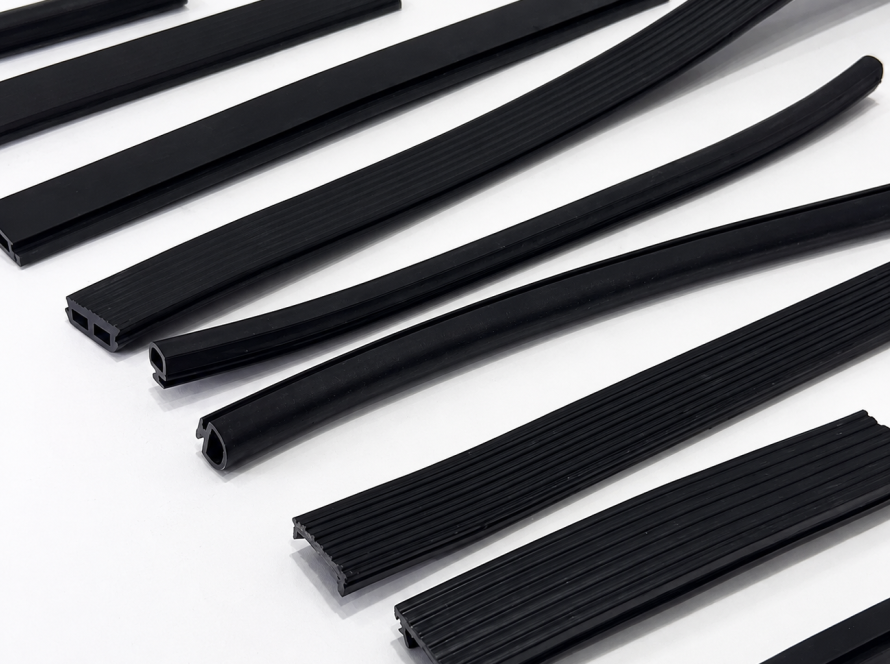
The EPDM seal sits along the edge of the window and presses tightly against the frame every time you close it. (just think of it as the rubber cushion that does the real work of sealing the window.) Quality storm-proof windows rely heavily on premium EPDM seals. Because of this, you get the best protection.
Not all rubber seals are made the same way. A cheap seal looks perfectly fine on day one. It’s only after two or three monsoons, once it starts becoming hard in the sun, that the problem shows up. Usually, it appears as a leak nobody can explain.
This is something Ostenta Decor pays close attention to in its casement windows: a Double A grade EPDM seal, made with a strong base at the back and a soft, cushiony layer at the front. When the window closes, this soft layer presses evenly against the frame instead of just touching it. As a result, you get a quieter close, better sound blocking, and real protection against wind and rain. This is not just a claim, but how the seal is actually built. In turn, this is essential for true storm-proof window performance.
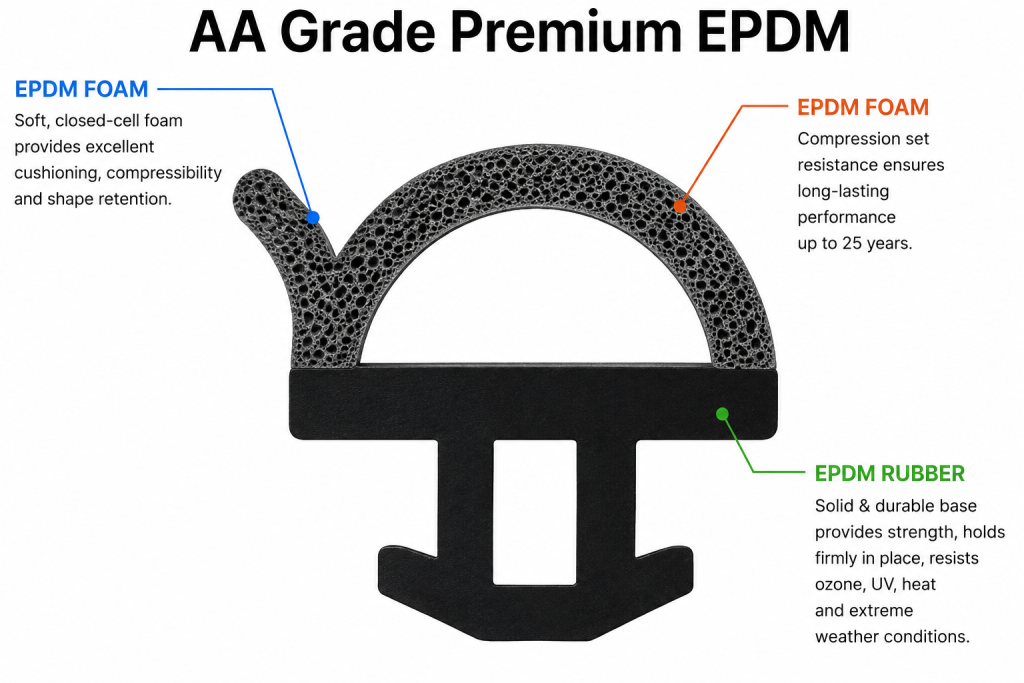
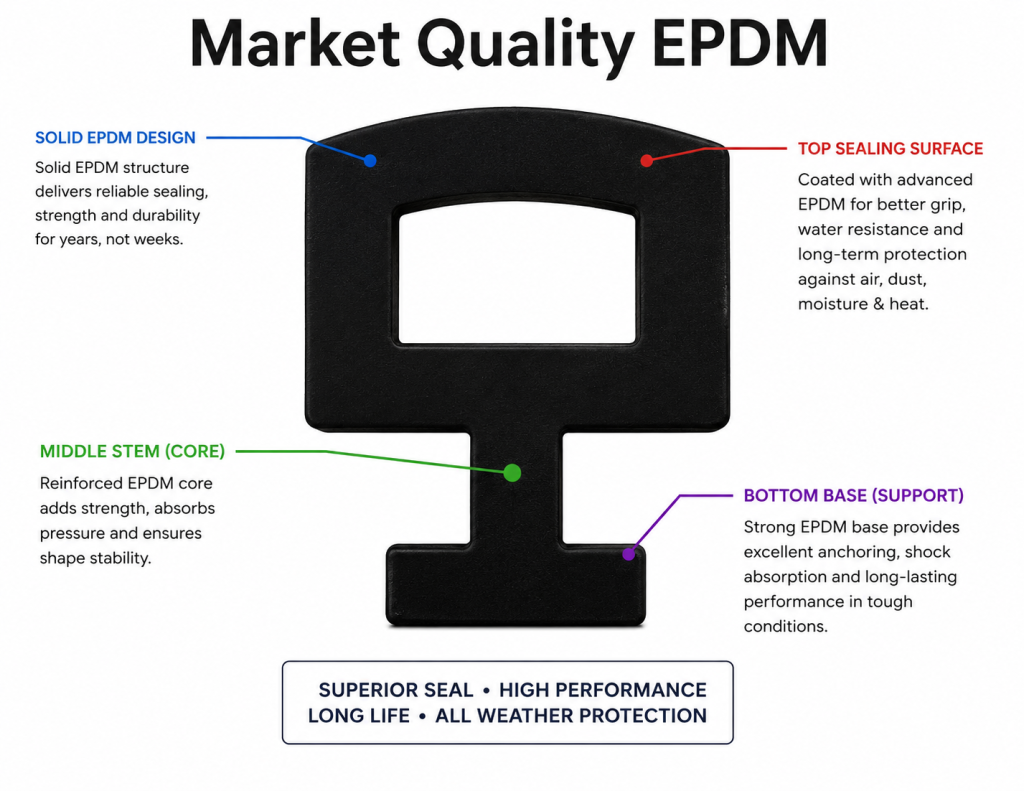
This is also why two windows that look the same in a shop can behave very differently six months later. The frame will not tell you this. However, the seal will.
A Two-Minute Check Before the Next Storm
Before the next heavy rain, check these simple things on your storm-proof windows to ensure they’ll keep you dry:
- Close the window fully. Is there any gap along the edges?
- Ask your supplier which grade of EPDM they use. Can they give you a clear answer, or do they just say “our quality is good”?
- Does the window close with a soft sound, or a loud bang?
- Press the rubber seal with your finger. Does it bounce back, or does it feel stiff and hard?
If your windows fail even one of these checks, it’s time to consider whether your window meets the standards of storm-proofing you really need. The seal has probably already started letting water in quietly, long before the next storm makes the problem obvious.
Sliding or Casement — Does the Window Type Matter?
This is a fair question, and the honest answer is: less than people think. A sliding window and a casement window can both handle a storm well, or badly. What really matters is how well the storm-proof window sits inside the frame. In addition, how much pressure the seal gets when the window locks shut is important.
This is why, at Ostenta Decor, the locking system is designed to press the seal fully into place the moment it locks — not just shut the window, but push the rubber seal fully against the frame. A window can look locked and still leave the seal barely touching the frame. This happens in places you would never notice just by looking.
The Real Test Happens After Installation
A window is never really tested on the day it is installed. It is tested during the first storm that comes after. This is when you find out if your investment in storm-proof windows has truly paid off.
That’s the part most brands don’t talk about, mostly because it can’t be shown in a shop. This is why, at Ostenta Decor, the seal gets as much attention as the frame itself. A window that looks premium and a window that performs like one during a storm are two very different things. Yet, only one of them matters when the rain is coming sideways and the wind won’t stop.
If your windows have started whistling, sticking, or letting in more rain than before, it’s worth getting them checked before the next storm, not after. The Ostenta Decor team can usually tell within minutes whether it’s the seal, the hardware, or something else. There is no pressure, just an honest answer about the effectiveness of your storm-proof windows.